Cluster ‘C’ Personality Disorders:
Cluster C disorders are defined by anxious thoughts and behavior.
1). Avoidant Personality Disorder.
Avoidant personality disorder is characterized by feelings of extreme social inhibition, inadequacy, and sensitivity to negative criticism and rejection. Yet the symptoms involve more than simply being shy or socially awkward. Avoidant personality disorder causes significant problems that affect the ability to interact with others and maintain relationships in day-to-day life. About 1% of the general population has avoidant personality disorder.
What Are the Symptoms of Avoidant Personality Disorder?
Avoidant personality disorder symptoms include a variety of behaviors, such as:
- Avoiding work, social, or school activities for fear of criticism or rejection. It may feel as if you are frequently unwelcome in social situations, even when that is not the case. This is because people with avoidant personality disorder have a low threshold for criticism and often imagines themselves to be inferior to others.
- Low self-esteem
- Self-isolation
When in social situations, a person with avoidant personality disorder may be afraid to speak up for fear of saying the wrong thing, blushing, stammering, or otherwise getting embarrassed. You may also spend a great deal of time anxiously studying those around you for signs of approval or rejection.
A person who has an avoidant personality disorder is aware of being uncomfortable in social situations and often feels socially inept. Despite this self-awareness, comments by others about your shyness or nervousness in social settings may feel like criticism or rejection. This is especially true if you are teased, even in a good-natured way, about your avoidance of social situations.
Diagnostic Criteria
A pervasive pattern of social inhibition, feelings of inadequacy, and hypersensitivity to negative evaluation, beginning by early adulthood and present in variety of contexts, as indicated by four (or more) of the following:
1). Avoids occupational activities that involve significant interpersonal contact because of fears of criticism, disapproval, or rejection.
2). Is unwilling to get involved with people unless certain of being liked.
3). Shows restrain within intimate relationships because of feelings of inadequacy.
4). Is preoccupied with being criticized or rejected in social situations.
5). Is inhibited in new interpersonal situations because of feeling of inadequacy.
6). Views self as socially inept, personally unappealing, or inferior to others.
7). Is unusually reluctant to take personal risks or to engaged in any new activities because they may prove embarrassing
2). Dependent Personality Disorder.
Personality disorder (DPD) is one of the most frequently diagnosed personality disorders. It causes feelings of helplessness, submissiveness, a need to be taken care of and for constant reassurance, and an inability to make everyday decisions without an excessive amount of advice and reassurance from others.
This personality disorder occurs equally in men and women and usually becomes apparent in young adulthood or later as important adult relationships form.
What Are the Symptoms of Dependent Personality Disorder?
People with DPD become emotionally over dependent on other people and spend great effort trying to please others. People with DPD tend to display needy, passive, and clinging behavior, and have a fear of separation. Other common characteristics of this personality disorder include:
- Inability to make decisions, even everyday decisions like what to wear, without the advice and reassurance of others
- Avoidance of adult responsibilities by acting passive and helpless; dependence on a spouse or friend to make decisions like where to work and live
- Intense fear of abandonment and a sense of devastation or helplessness when relationships end; a person with DPD often moves right into another relationship when one ends.
- Oversensitivity to criticism
- Pessimism and lack of self-confidence, including a belief that they are unable to care for themselves
- Avoidance of disagreeing with others for fear of losing support or approval
- Inability to start projects or tasks because of a lack of self-confidence
- Difficulty being alone.
- Willingness to tolerate mistreatment and abuse force others
- Placing the needs of their caregivers above their own
- Tendency to be naive and to fantasize.
Diagnostic Criteria.
A pervasive pattern of excessive need to be taken care of that leads to submissive and clinging behavior and fear of separation, beginning by early adulthood and present in variety of contexts, as indicated by five (or more) of the following:
- Have difficult making everyday decisions without an excessive amount of advice and reassurance from others.
- Needs others to assume responsibility for most major areas of his or her life.
- Has difficulty expressing disagreement with others because of fear of loss of support or approval. (Note: do not include realistic fears of retribution).
- Has difficulty initiating project or doing things on his or her own (Because of a lack of self-confidence in judgment or abilities rather than a lack of motivation or energy).
- Goes to excessive lengths to obtain nurturance and support from others, to the point of volunteering to do things that are unpleasant.
- Feels uncomfortable or helpless when alone because of exaggerated fears of being unable to care for himself or herself.
- Urgently seeks another relationships as a source of care and support when a close relationships ends.
- Is unrealistically preoccupied with fears of being left to take care of himself or herself.
3). Obsessive-Compulsive Personality Disorder.
Obsessive-compulsive personality disorder (OCPD) is a mental health condition that causes an extensive preoccupation with perfectionism, organization and control. These behaviors and thought patterns interfere with completing tasks and maintaining relationships.
People with OCPD have rigid beliefs and specific ways of doing different tasks. They don’t allow for any flexibility and are unable to compromise with others. People with OCPD often don’t realize their behavior and way of thinking are problematic.
OCPD is one of a group of conditions called “Cluster C” personality disorders, which involve anxiety and fear.
What are the symptoms of OCPD?
The main sign of obsessive-compulsive personality disorder is a pervasive preoccupation (obsession) with order, perfectionism, control and specific ways of doing things. These behaviors make it difficult to complete tasks and cause issues with relationships.
Symptoms of OCPD usually begin by early adulthood.
A person with obsessive-compulsive personality disorder (OCPD) may:
- Be preoccupied with and insist on details, rules, lists, order and organization.
- Have perfectionism that interferes with completing tasks.
- Have excessive devotion to work and productivity. This results in neglecting hobbies and spending less time with loved ones.
- Have excessive doubt and indecisiveness.
- Use extreme caution to avoid what they perceive to be failure.
- Be rigid and stubborn in their beliefs and ways of doing things.
- Be unwilling to compromise.
- Be unwilling to throw out broken or worthless objects, even if they have no sentimental value.
- Have difficulty working with others or delegating tasks unless they agree to do things exactly as the person wants.
- Frequently become overly fixated on a single idea, task or belief.
- Perceive everything as “black or white” (dichotomous thinking).
- Have difficulty coping with criticism.
- Over-focus on flaws in other people.
At a glance, people with OCPD usually appear confident, organized and high-achieving. Their exacting standards may even benefit them in certain jobs. However, their inability to compromise or change their behaviors usually negatively affects their relationships.
Diagnostic Criteria.
A pervasive pattern of preoccupation with orderliness, perfectionism, and mental and interpersonal control, at the expense of flexibility, openness, and efficiency, beginning by early adulthood and present in variety of contexts, as indicated by four (or more) of the following:
- Is preoccupied with details, rules, lists, order, organization, or schedules to the extent that the major point of the activity is lost.
- Shows perfectionism that interferes with task completion (e.g., is unable to complete a project because his or her own overly strict standards are not met).
- Is excessively devoted to work and productivity to the exclusion of leisure activities and friends (not accounted for by obvious economic necessity).
- Is oveconscientious, scrupulous, and inflexible about matters of morality, ethics, or values (not accounted for by culture or religious identification)?
- Is unable to discard worn-out or worthless objects even when they have no sentimental value.
- Is reluctant to delegate tasks or to work with others unless they submit to exactly his or her way of doing things.
- Adopts a miserly spending style toward both self and other: money is viewed as something to be hoarded for future catastrophes.
- Shows rigidity and stubbornness.
Latest Articles
-

Your Child Needs Your Time, Not Just Your Things: Understanding Children's Mental Health
-
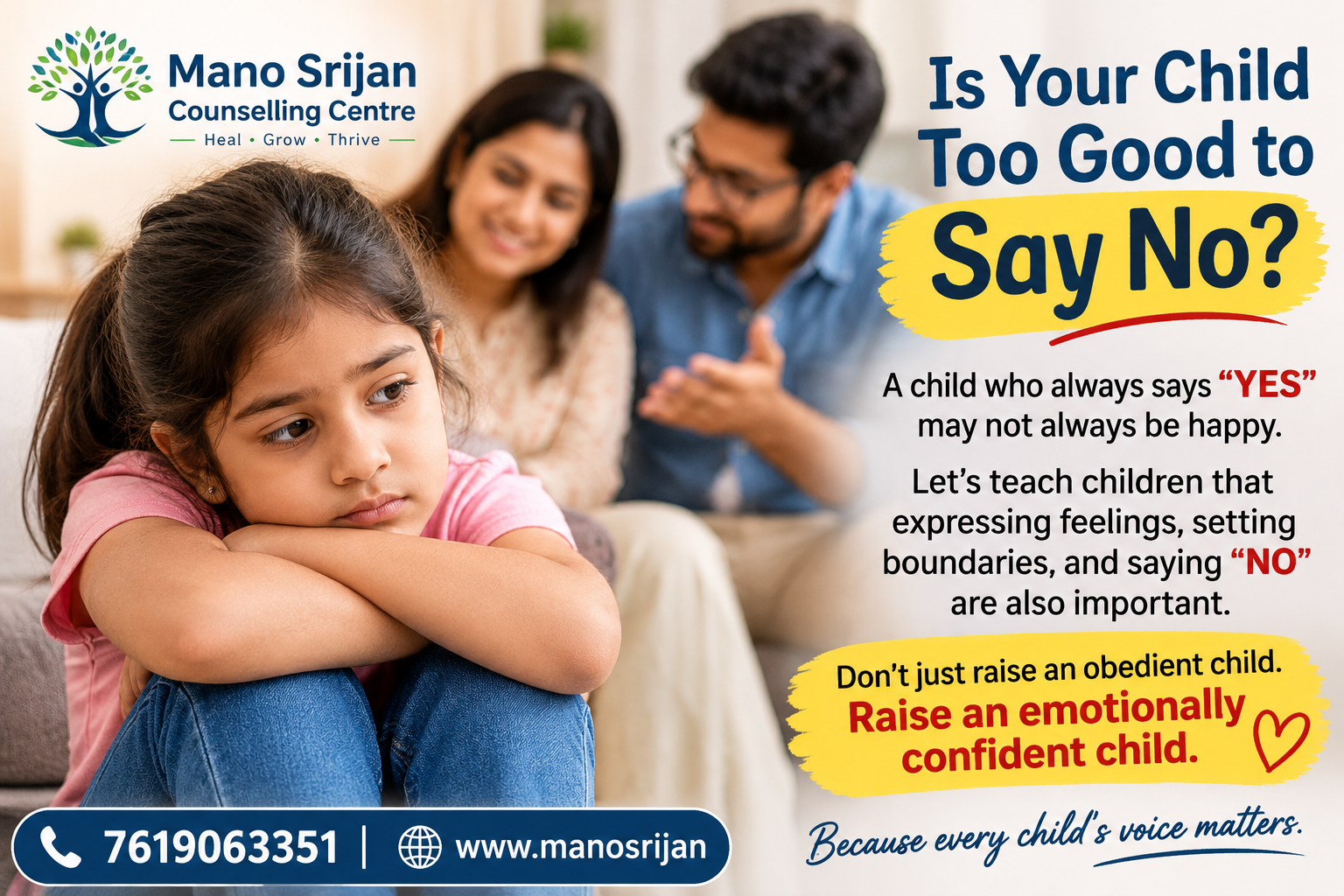
The Child Who Never Says No: Understanding People-Pleasing in Children
-
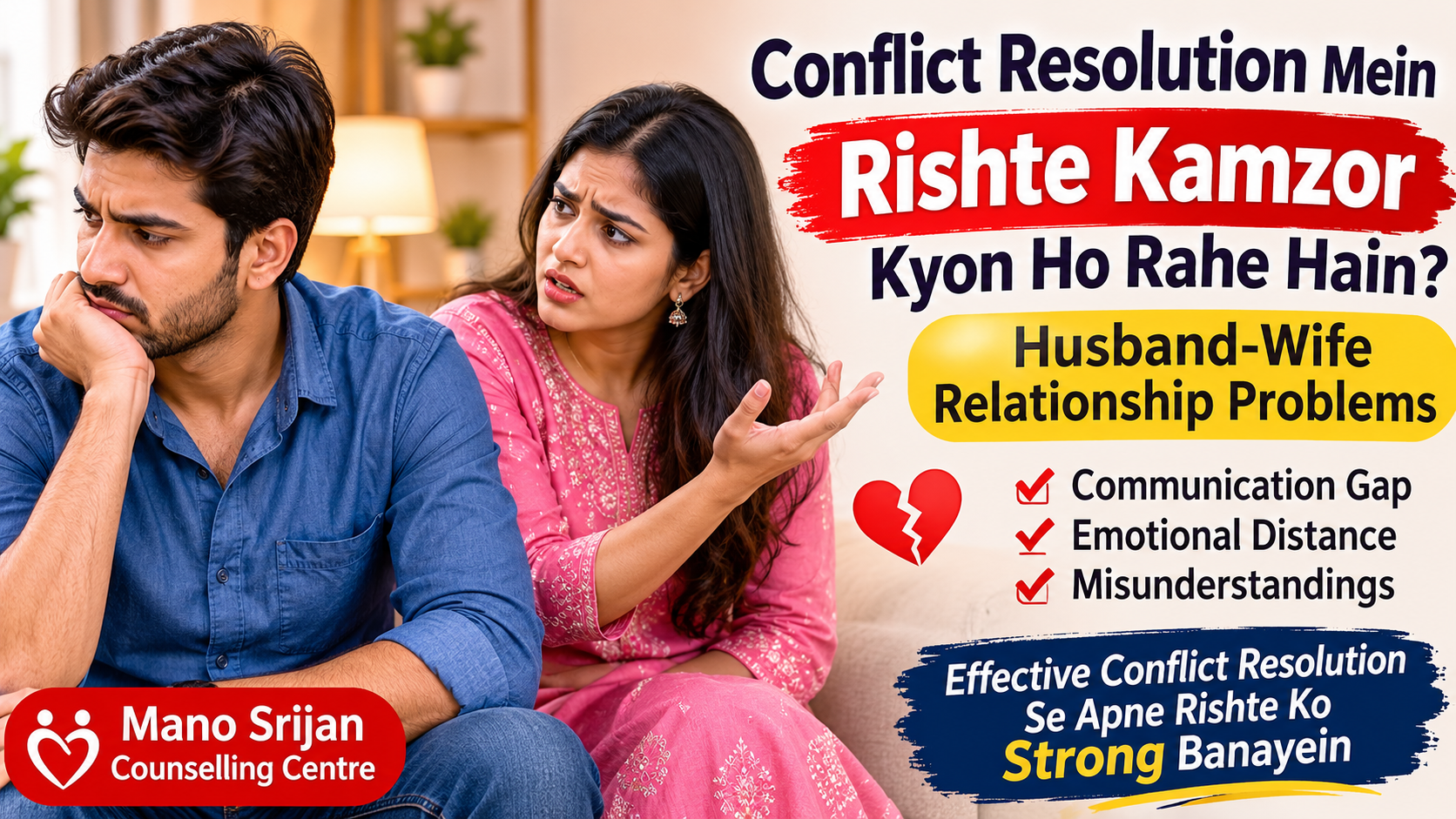
Conflict Resolution Mein Rishte Kamzor Kyon Ho Rahe Hain?
-
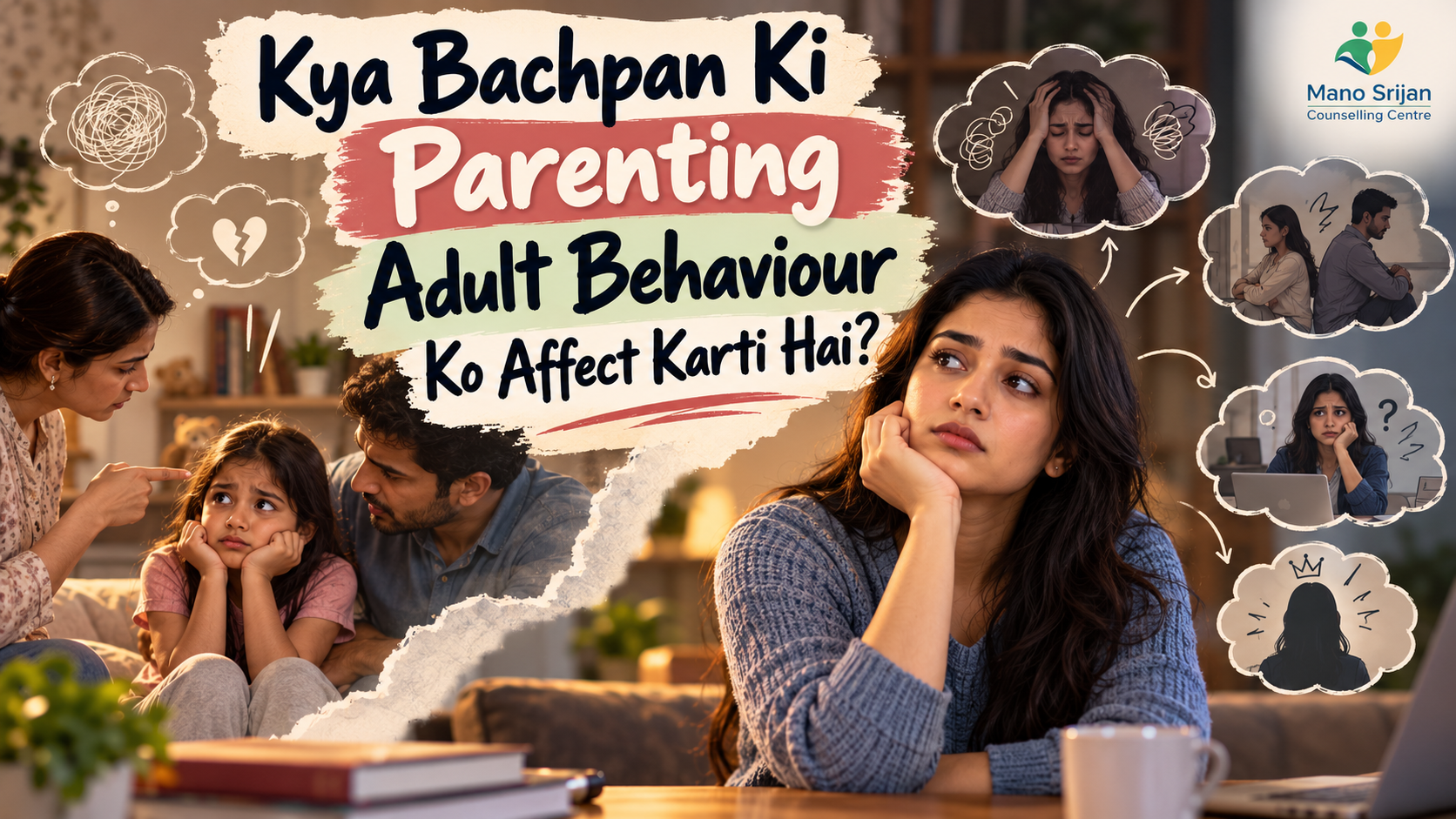
Kya Bachpan Ki Parenting Adult Behaviour Ko Affect Karti Hai?
-

Kya Pyar Mein Apmaan Sehna Zaroori Hai?
-

Khamoshi Bhi Rishton Mein Doori Bana Deti Hai