The Child Behind the Smile:
Are We Giving Our Children Enough Time to Feel Heard?
Understanding the Growing Mental Health Challenges
in Children and the Importance of Parental Connection
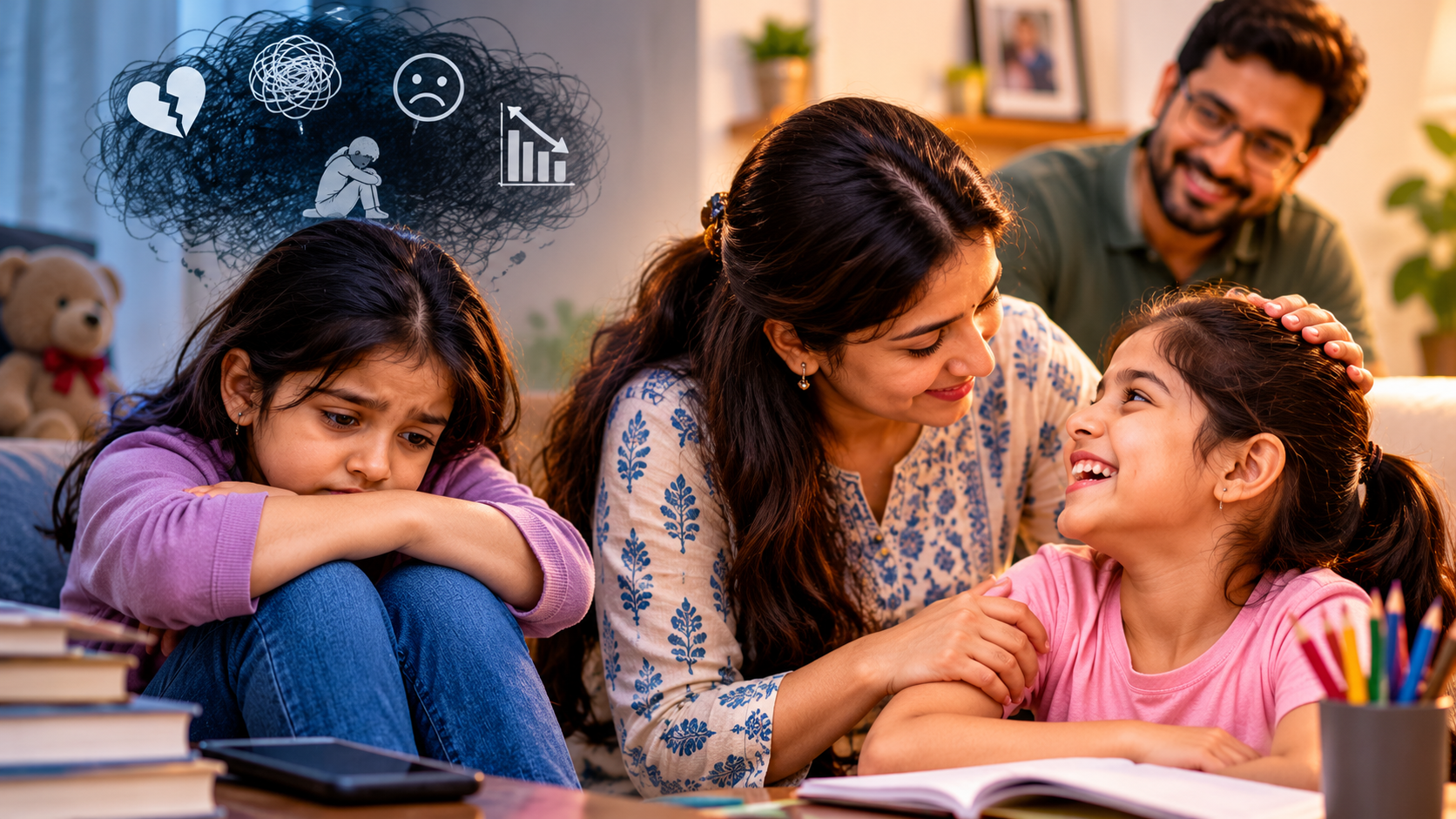
A child
may have good grades, expensive toys, the latest gadgets, and all the comforts
of life, yet still feel emotionally lonely.
In
today's fast-paced world, children's lives are becoming increasingly structured
around school, tuition, extracurricular activities, competitions, and screen
time. Parents work hard to provide their children with the best opportunities,
but amidst these responsibilities, one essential thing can sometimes get
overlooked: emotional availability.
Children
do not always express their struggles through words. Sometimes, their emotional
pain appears as anger, stubbornness, silence, excessive screen use, declining
academic performance, or a sudden change in behavior.
Why Are More Children Struggling Emotionally Today?
Children
today face several emotional and psychological challenges:
1.
Academic Pressure and Fear of Failure
Constant
expectations to score good marks, perform better, and compete with others can
create stress and anxiety. Some children begin to believe that their worth depends
entirely on their achievements.
2.
Excessive Screen Time and Social Media
Digital
platforms expose children to unrealistic lifestyles, comparisons, and constant
stimulation. Excessive screen use may also interfere with sleep, physical
activity, and meaningful family interactions.
3.
Loneliness Despite Being Surrounded by People
A child
may spend the entire day with family members but still feel emotionally
disconnected. Being physically present is not always the same as being
emotionally available.
4. Difficulty
Expressing Emotions
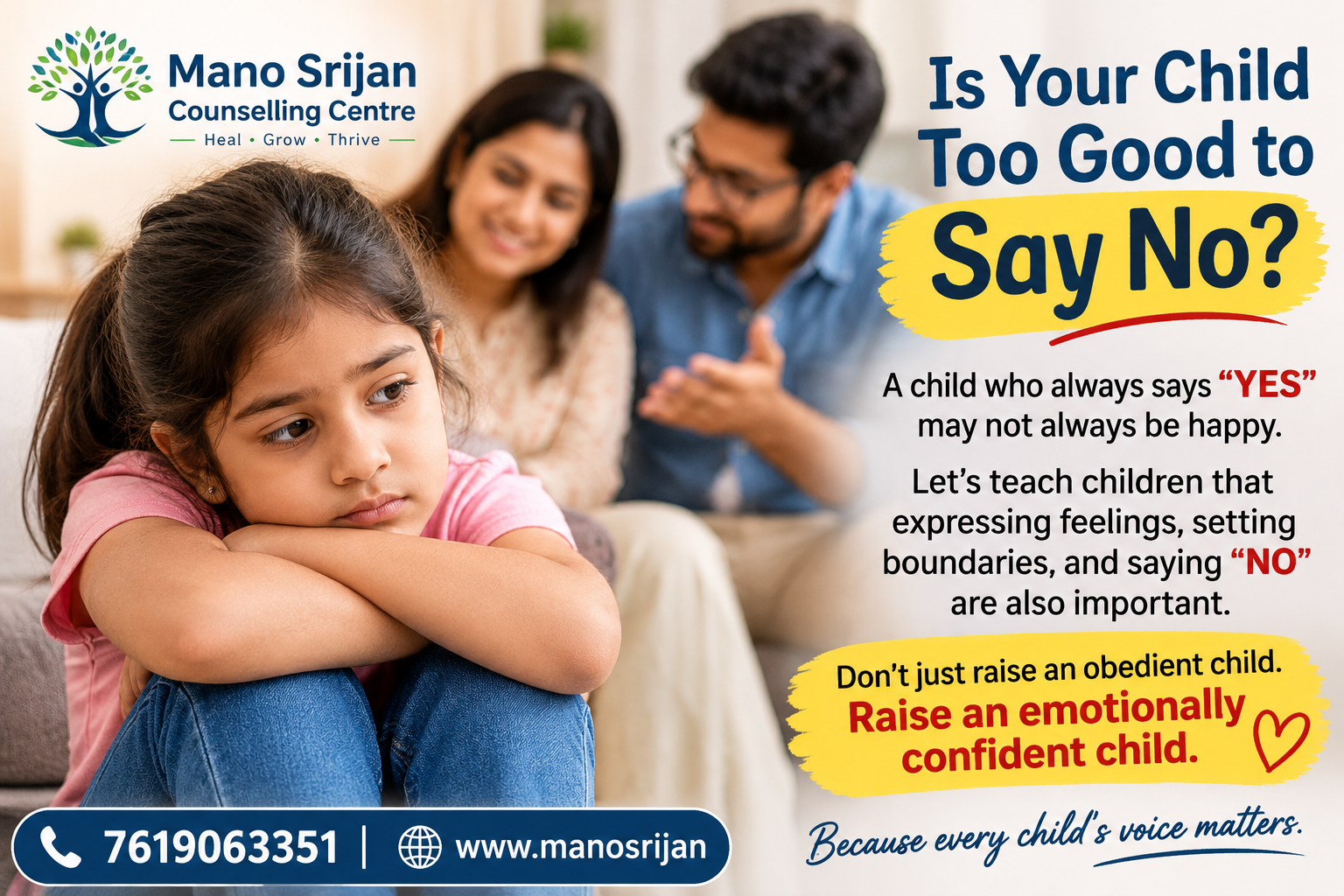
Many
children are told not to cry, not to get angry, and not to overreact. Gradually,
they may learn to hide their feelings instead of understanding and expressing
them.
5.
Constant Comparison
Statements
like "Look at your cousin," "Your friend scores better," or
"Why can't you be like your sibling?" can negatively affect a child's
confidence and self-esteem.
How Can Parents Recognize That Their Child Needs
Emotional Support?
Sometimes,
children communicate their emotional difficulties through behavior rather than
words.
Parents
should pay attention to:
These
signs do not automatically indicate a mental health disorder, but persistent
changes deserve attention, understanding, and, when needed, professional
support.
What Can Parents Do? Give Your Child the Gift of
Your Time
Children
don't always need expensive gifts or elaborate outings. Often, they simply need
someone who listens without judging.
1. Create
20 Minutes of Meaningful Connection
Spend at
least 15–20 minutes every day with your child without mobile phones, television,
or distractions. Let your child choose the activity or conversation.
2. Listen
Before You Give Advice
When your
child shares a problem, avoid immediately correcting or lecturing them.
Sometimes, they need understanding before they need solutions.
3. Ask
Questions That Open Conversations
Instead
of asking only, "How much did you score today?" try asking:
4. Make
Home a Safe Space for Emotions
Allow
children to cry, disagree, make mistakes, and express their feelings. Teach them
that emotions are normal and can be discussed without fear.
5.
Appreciate Efforts, Not Just Achievements
Celebrate
their courage, honesty, kindness, creativity, and efforts rather than focusing
only on marks and competition.
6. Spend
Time Together Without a Purpose
Cook
together, take a walk, play a board game, draw, read stories, or simply sit and
talk. These ordinary moments often build extraordinary emotional connections.
A Small Parenting Challenge: The 7-Day Connection
Habit
Try this
simple activity with your child:
Observe
how these small interactions influence your connection.
When Should Parents Seek Professional Help?
If
emotional or behavioral changes persist, interfere with daily functioning,
affect relationships or school life, or cause significant distress, parents
should consider consulting a qualified mental health professional. Early
support can help children develop healthy coping skills and emotional
resilience.
Never
dismiss a child's repeated distress as simply attention-seeking or a phase.
Take expressions of self-harm or suicidal thoughts seriously and seek immediate
professional help.
The Message Every Parent Needs to Remember
Your
child may forget the toys you bought, the expensive holidays you planned, and
even the gifts you gave.
But they
are more likely to remember how you made them feel when they were scared,
confused, disappointed, or sad.
Children
don't need perfect parents. They need emotionally available parents.
Sometimes,
the most powerful sentence a parent can say is
"I
may not understand everything you're going through, but I am always here to
listen."
Because
raising a mentally healthy child is not just about preparing them for a
successful future. It is also about making sure they feel safe, valued, loved,
and understood in the present.
Mano
Srijan Counselling Centre
Because
every child deserves to be heard, understood, and emotionally supported.
Website: www.manosrijan
Contact: 7619063351