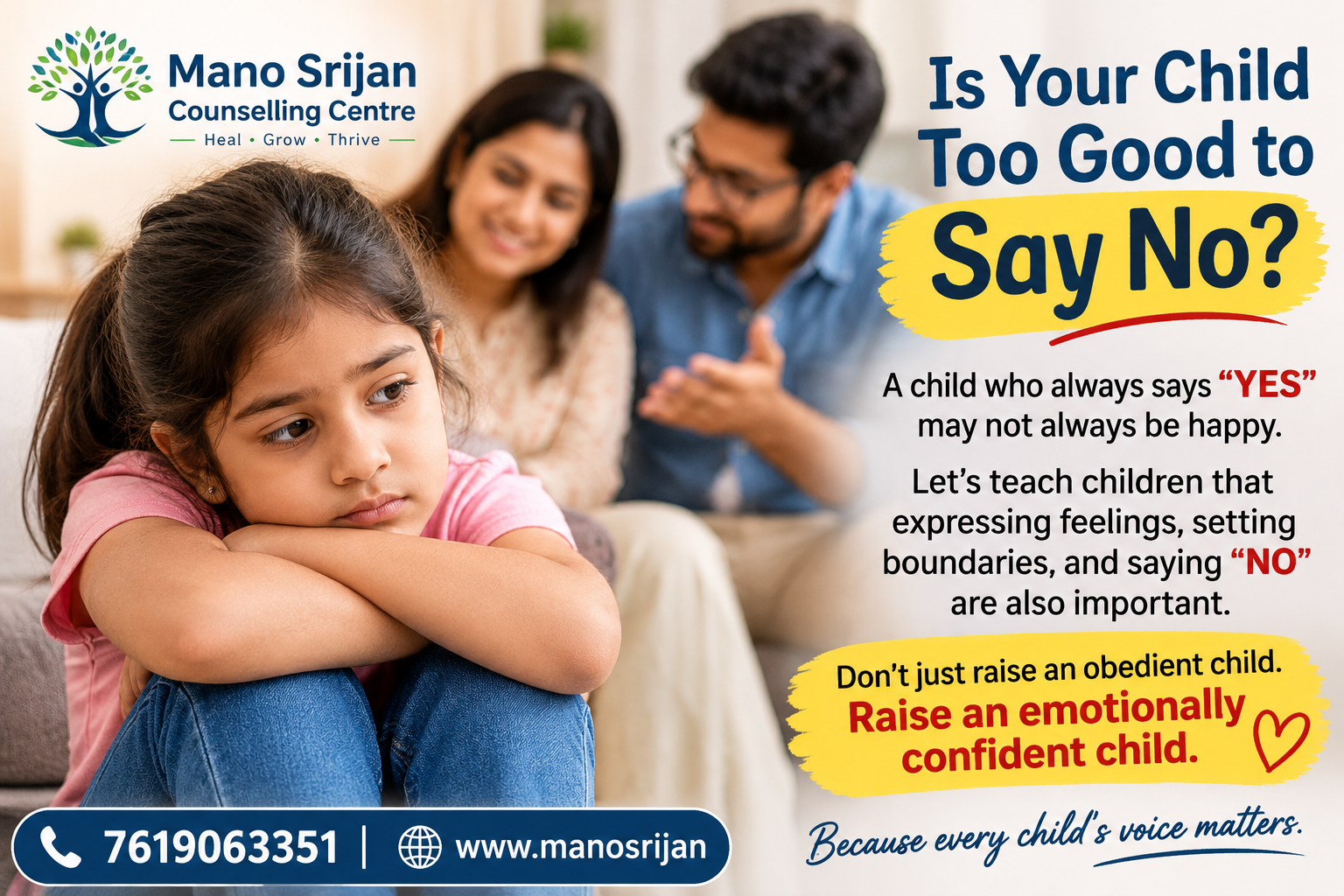
Children are very innocent and sensitive. They are as pure as they are innocent—without deception or ill intentions, they simply carry a genuine and open heart.
Children learn a great deal from the behavior of the adults around them. In many ways, they are like wet clay: the way they are nurtured, guided, and shaped influences the person they gradually become.
In short, your behavior, actions, and words have a strong influence on your children. The way you treat them can shape how they think, feel, and behave.
Parents are, in many ways, their children's first role models. Therefore, it is important to deal with children with patience, understanding, respect, and consistency.
As children grow, help them develop healthy routines and understand age-appropriate rules and responsibilities.
Avoid giving constant instructions for every small thing. If children do not understand something, explain it patiently rather than immediately scolding or hitting them.
Physical punishment is not an effective way to teach children and may contribute to anger, stubbornness, or rebellious behavior.
As times change, parents should avoid becoming overly controlling or authoritarian.
Instead of expecting children to simply obey everything you say, spend quality time with them and build a relationship in which they feel comfortable sharing their thoughts and concerns.
When children see their parents as supportive and approachable, they are more likely to communicate openly and seek guidance when they need it.
As children grow older, they may become more assertive, test boundaries, lose their temper, disagree with adults, or insist on getting their way.
Parents should set clear boundaries and address inappropriate behavior but avoid hitting, insulting, or humiliating children.
Teach them what is wrong, explain the consequences, and help them learn better ways to express their emotions and needs.
Children learn communication patterns by observing their parents.
The way you speak to your children and to other family members can influence how they communicate with others. Therefore, try to control your language, especially during moments of anger.
Speak respectfully and thoughtfully. Even when correcting a child, focus on the behavior rather than attacking the child's character.
Allow children to make age-appropriate decisions from an early age.
Parents do not need to solve every problem for their children. Instead, encourage them to think about possible solutions and make choices within safe and appropriate boundaries.
This helps children gradually develop decision-making, problem-solving, and self-confidence.
When your child is speaking, listen instead of immediately ignoring or dismissing what they are saying.
Value their genuine thoughts and feelings, even when you may not agree with them. Give them an opportunity to express themselves and understand their perspective.
At the same time, parents can share their own opinions and guidance without forcing every decision on their children.
Children may not always follow what we say, but they often learn from what they see us do.
Be the behavior, communication, respect, and emotional maturity you want your child to learn.