Bhastrika Pranayama – Bellows Breath
Bhastrika Pranayama is also known as "Bellows Breath" in English. The word "bhastrika" comes from Sanskrit and means "bellows"—a traditional tool used by blacksmiths to produce a strong flow of air.
Bhastrika is a breathing practice involving forceful and rhythmic inhalation and exhalation, traditionally described as helping to energize the body and promote efficient breathing.
Method of Practicing Bhastrika Pranayama
Sit comfortably in Padmasana, Ardha Padmasana, or another comfortable seated position.
Keep your spine and head upright.
Inhale deeply through both nostrils, allowing the breath to fill the lungs.
Exhale completely through both nostrils in a controlled manner.
Continue inhaling and exhaling rhythmically and evenly.
Keep your hands resting on your knees in Gyan Mudra and your eyes gently closed.
Practice for approximately 5–7 minutes, according to your comfort and experience.
Potential Mental Well-Being Benefits
Regular, appropriately performed breathing practices may support relaxation and mental well-being. Traditionally, Bhastrika Pranayama is associated with:
Improved concentration and mental alertness
Reduced feelings of stress and tension
Greater sense of calm and relaxation
Improved awareness of breathing
Supporting overall emotional well-being
Important Precautions
Avoid practicing pranayama in extremely hot or uncomfortable environments.
Bhastrika should be practiced appropriately and preferably under the guidance of a qualified yoga instructor, especially for beginners.
Keep the movement controlled and avoid excessive force or strain.
The chest and shoulders should remain relaxed rather than being excessively lifted or moved.
People with high blood pressure, heart disease, hernia, epilepsy, ulcers, kidney stones, or other medical conditions, as well as pregnant women, should avoid forceful Bhastrika unless specifically cleared and guided by an appropriate healthcare professional.
Stop immediately if you experience dizziness, chest discomfort, breathlessness, or pain.
Practice mindfully, breathe comfortably, and respect your body's limits.
Latest Articles
-
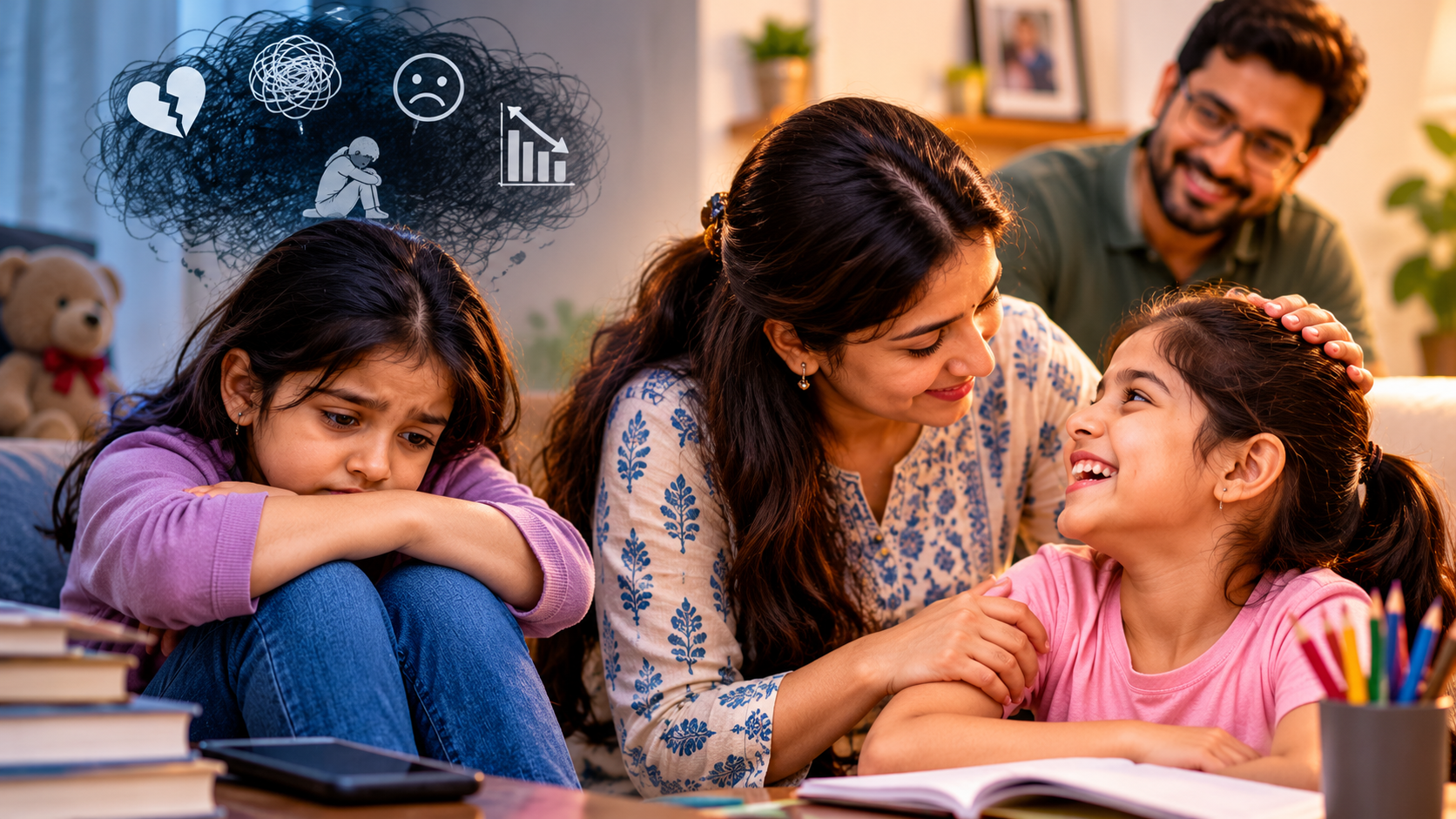
Your Child Needs Your Time, Not Just Your Things: Understanding Children's Mental Health
-
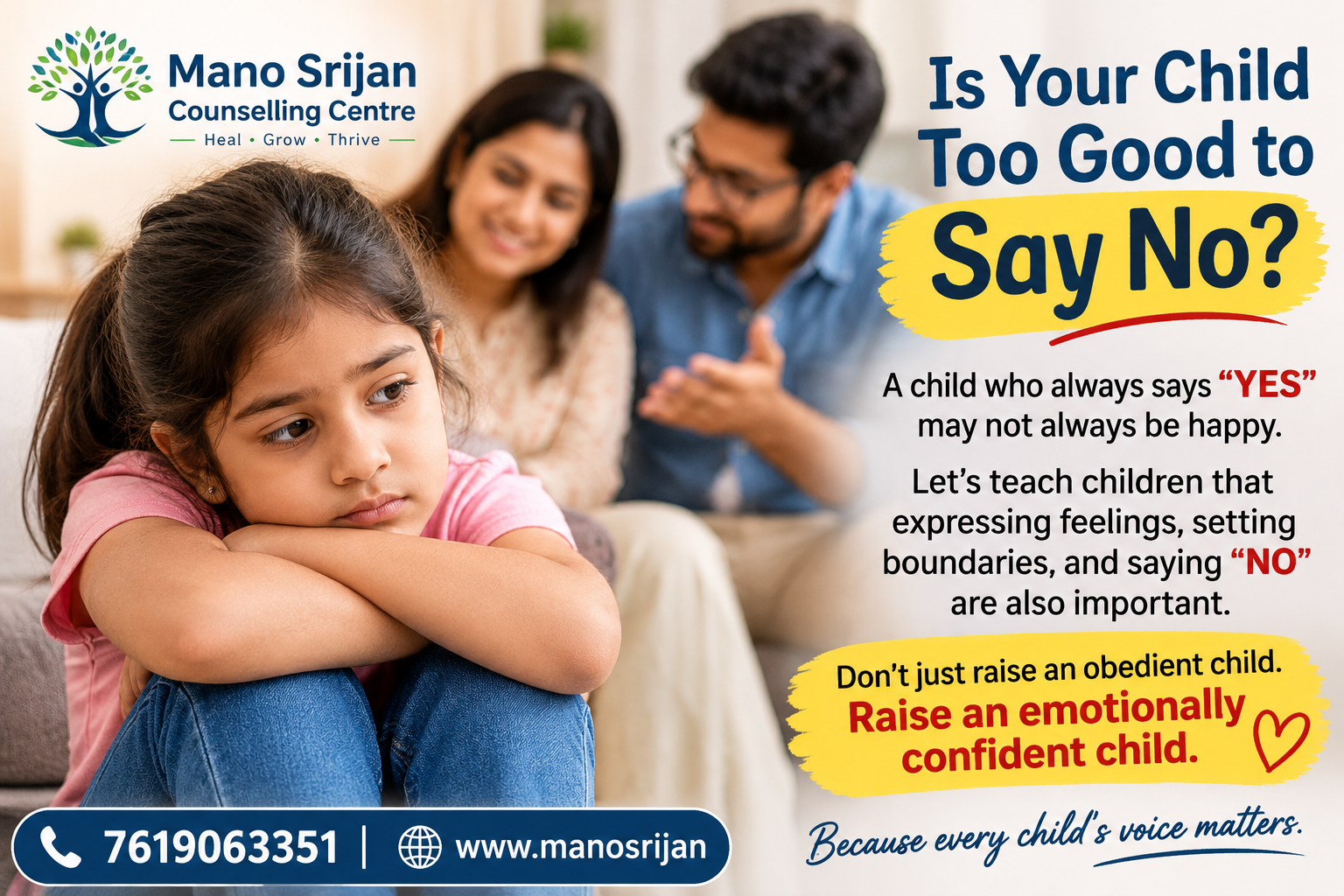
The Child Who Never Says No: Understanding People-Pleasing in Children
-
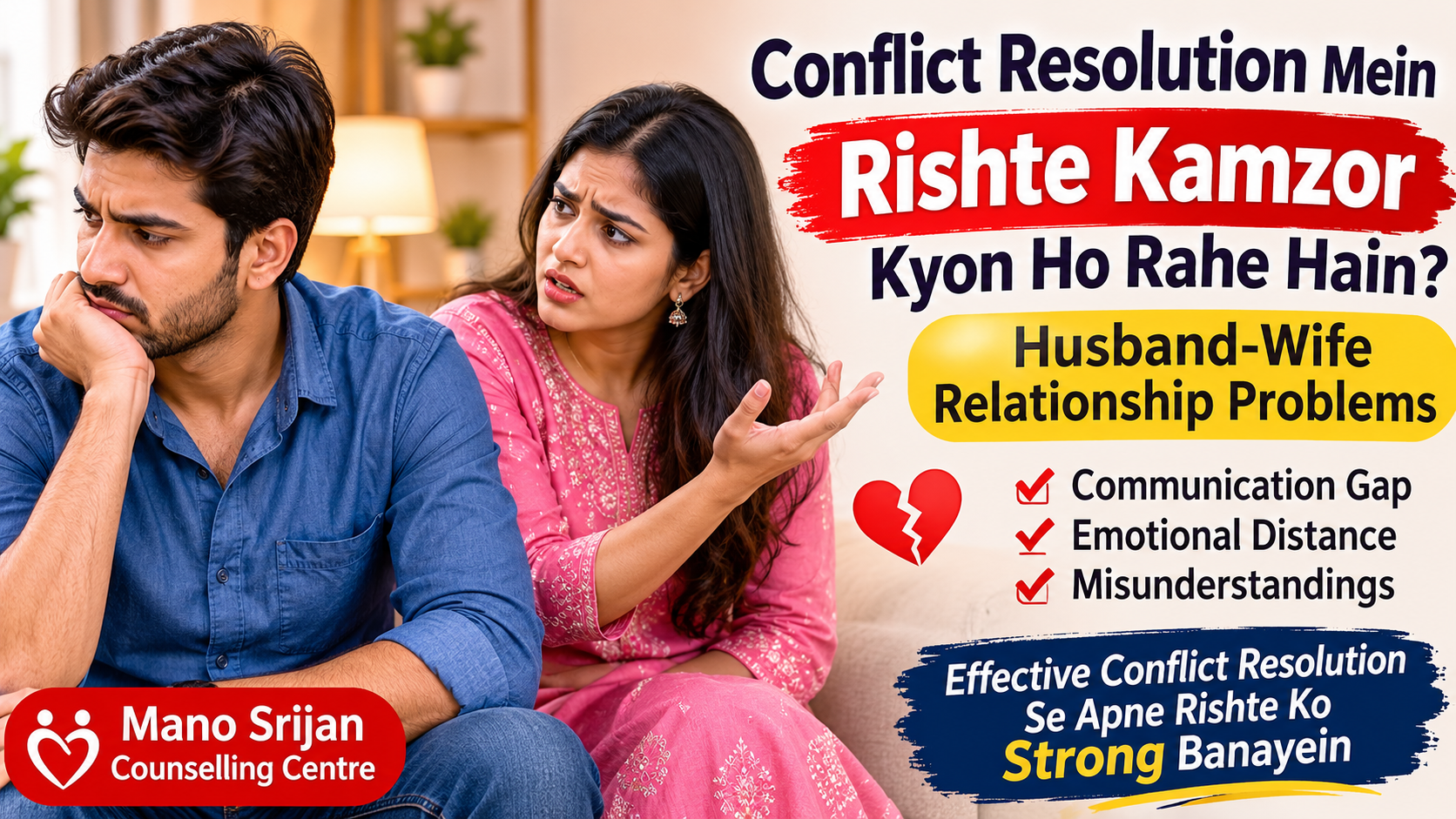
Conflict Resolution Mein Rishte Kamzor Kyon Ho Rahe Hain?
-
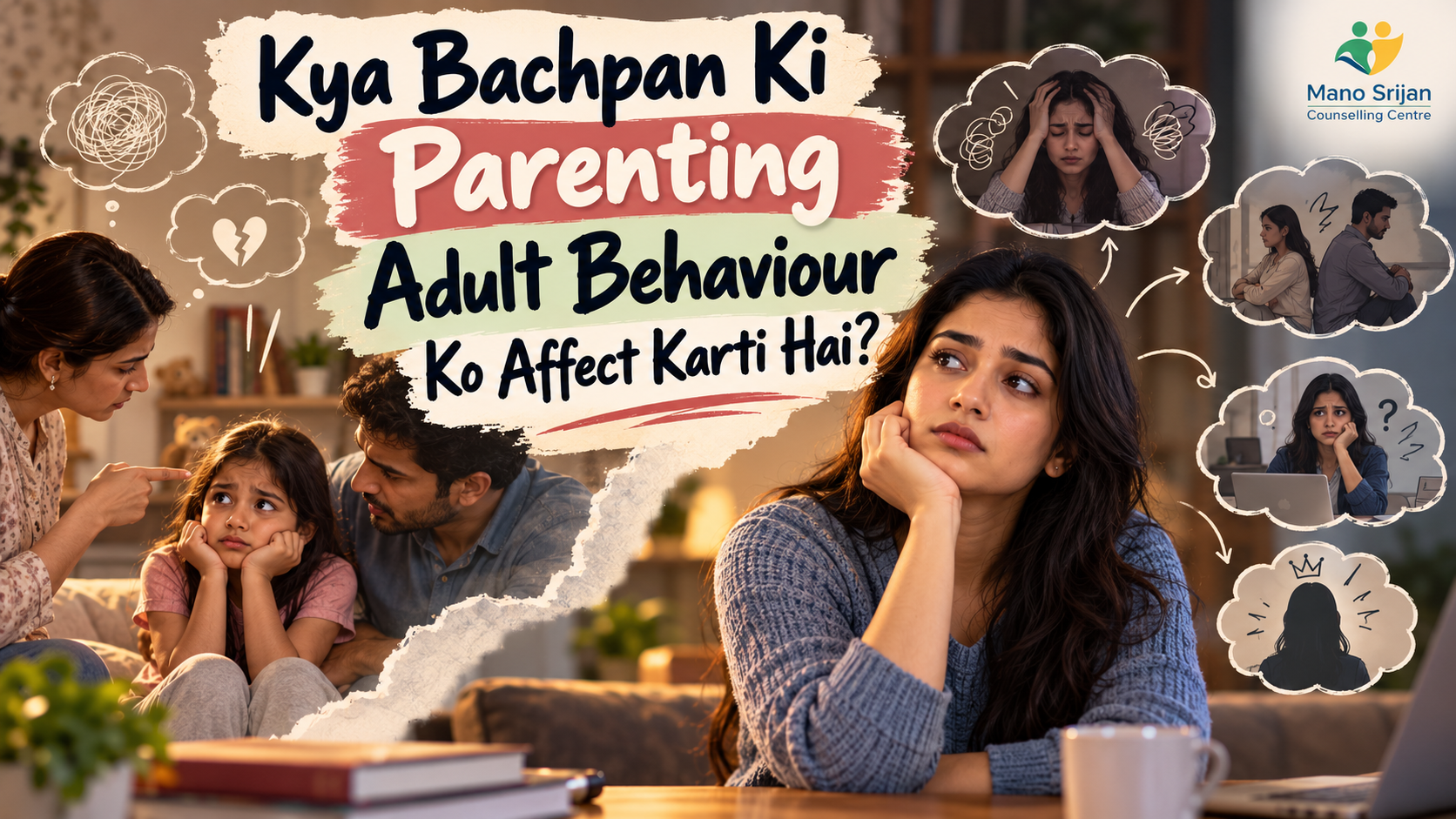
Kya Bachpan Ki Parenting Adult Behaviour Ko Affect Karti Hai?
-
Kya Pyar Mein Apmaan Sehna Zaroori Hai?
-
Khamoshi Bhi Rishton Mein Doori Bana Deti Hai