- Call Us: +91-7619063351
- Email: info@manosrijan.com
- Magazine
- Donate
- Podcast

Comprehending
OCD: Beyond Cleanliness
When
people hear the phrase obsessive-compulsive disorder (OCD), they frequently
think of someone who constantly cleans their surroundings or washes their hands
excessively. Although some people with OCD may have hygiene issues, this
widespread misconception only touches the surface of what the condition
actually entails. OCD is a complicated mental illness that has a wide range of
effects on feelings, ideas, and actions.
OCD: What Is It?
Obsessions
are unwelcome, intrusive thoughts, images, or desires that produce a great deal
of discomfort or distress. Obsessions and compulsions are the hallmarks of
obsessive-compulsive disorder. These thoughts are tenacious and challenging to
manage.
Repetitive actions or mental acts that a
person feels compelled to carry out in order to lessen the anxiety brought on
by obsessions or to stop anything negative from happening are known as
compulsions.
Crucially, OCD sufferers typically realize that their thoughts and actions are
excessive or illogical, but they feel helpless to control them.
Being tidy
and well-organized is not the only aspect of OCD.
OCD can manifest in a variety of ways, despite the well-known symptoms of
obsessive cleaning and fear of contamination:
Checking activities, such as checking
emails, locks, or appliances frequently
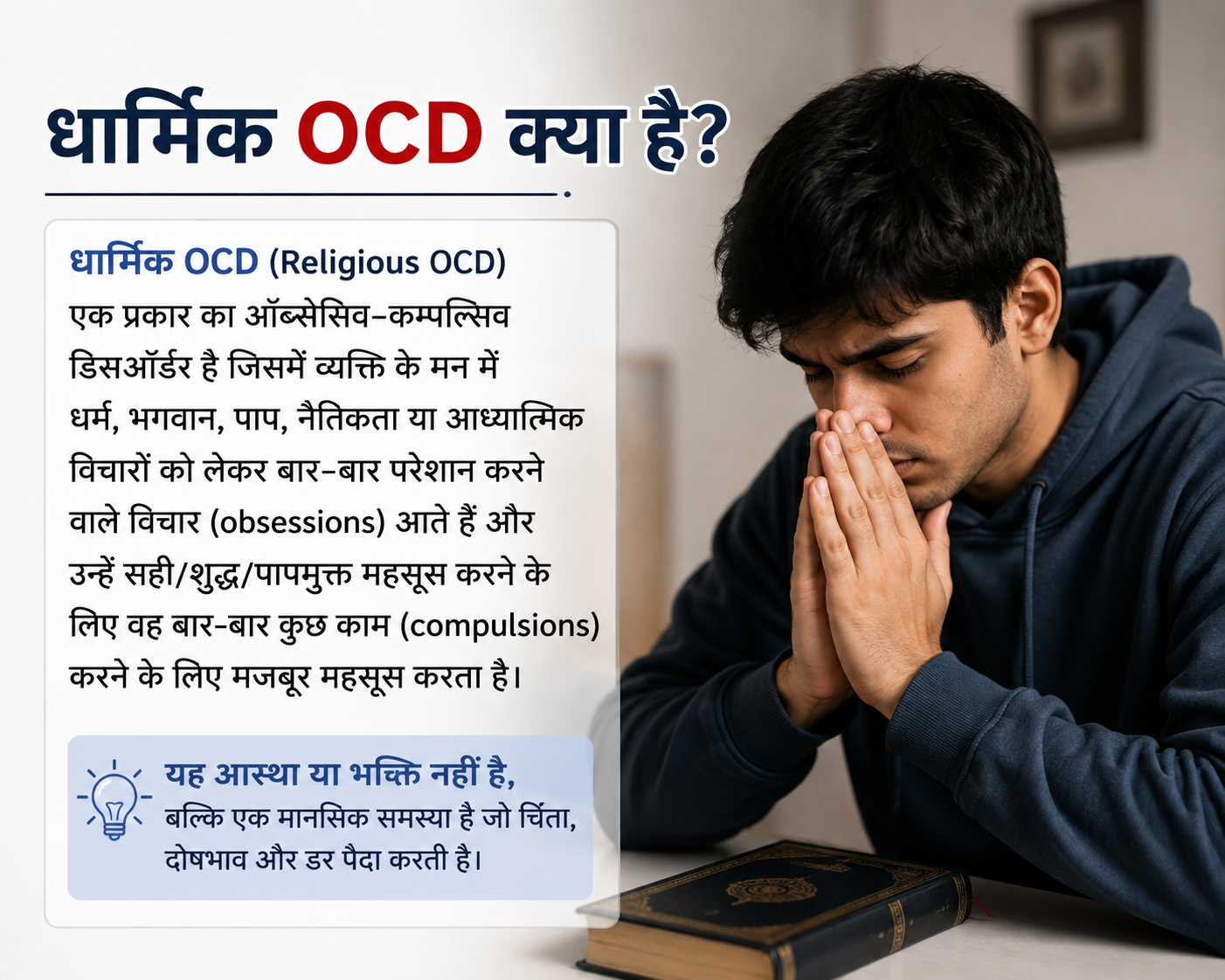
Intrusive concerns about morality, religion, or harm; a need for precision or
symmetry; a fear of doing harm, even inadvertently; and mental compulsions such
counting, quietly repeating words, or seeking validation
Daily living, relationships, employment, and education can all be severely
hampered by these symptoms.
Intrusive Thoughts: An Unspoken Battle
Intrusive thoughts are one of the most misdiagnosed features of OCD. These
ideas don't represent the person's actual beliefs or intentions and might be
upsetting, violent, or socially inappropriate. These ideas can be extremely
upsetting to people with OCD, and they may be afraid of being misinterpreted or
judged, which keeps them from getting treatment.
Risk Factors and Causes
Although
the precise cause of OCD is unknown, research points to a number of potential
causes, such as:
•
Genetics
• Brain
chemistry and structure
• Environmental
impacts
•
Stressful or traumatic life events
OCD affects people of all genders and ethnicities and can manifest in
childhood, adolescence, or maturity.
Management and Treatment
OCD is treatable, and with the right help, many sufferers see notable
improvements. Cognitive behavioral therapy (CBT), especially exposure and
response prevention (ERP), is a common therapeutic approach.
Selective serotonin reuptake inhibitors (SSRIs) and other medications; support
groups and psychoeducation
Quality of life can be significantly enhanced by prompt diagnosis and regular
therapy.
Eliminating the Stigma
OCD
stigma can result from misconceptions that downplay the disorder's severity.
Saying words like "I'm so OCD" to express a need for neatness can
inadvertently minimize the actual difficulties experienced by OCD sufferers.
Increasing knowledge and empathy is crucial to fostering a more encouraging
atmosphere.
In Conclusion
OCD is much more than just a need for order or cleanliness. It is a severe
mental illness characterized by compulsive habits, intrusive thoughts, and
extreme anxiety. By comprehending the entire extent of OCD, we may dispel
myths, promote empathy, and assist individuals who are impacted in feeling
seen, understood, and supported.